
Vehicle Wraps or Decals? How to Choose for Your Business
Wraps or Decals? The Quick Answer
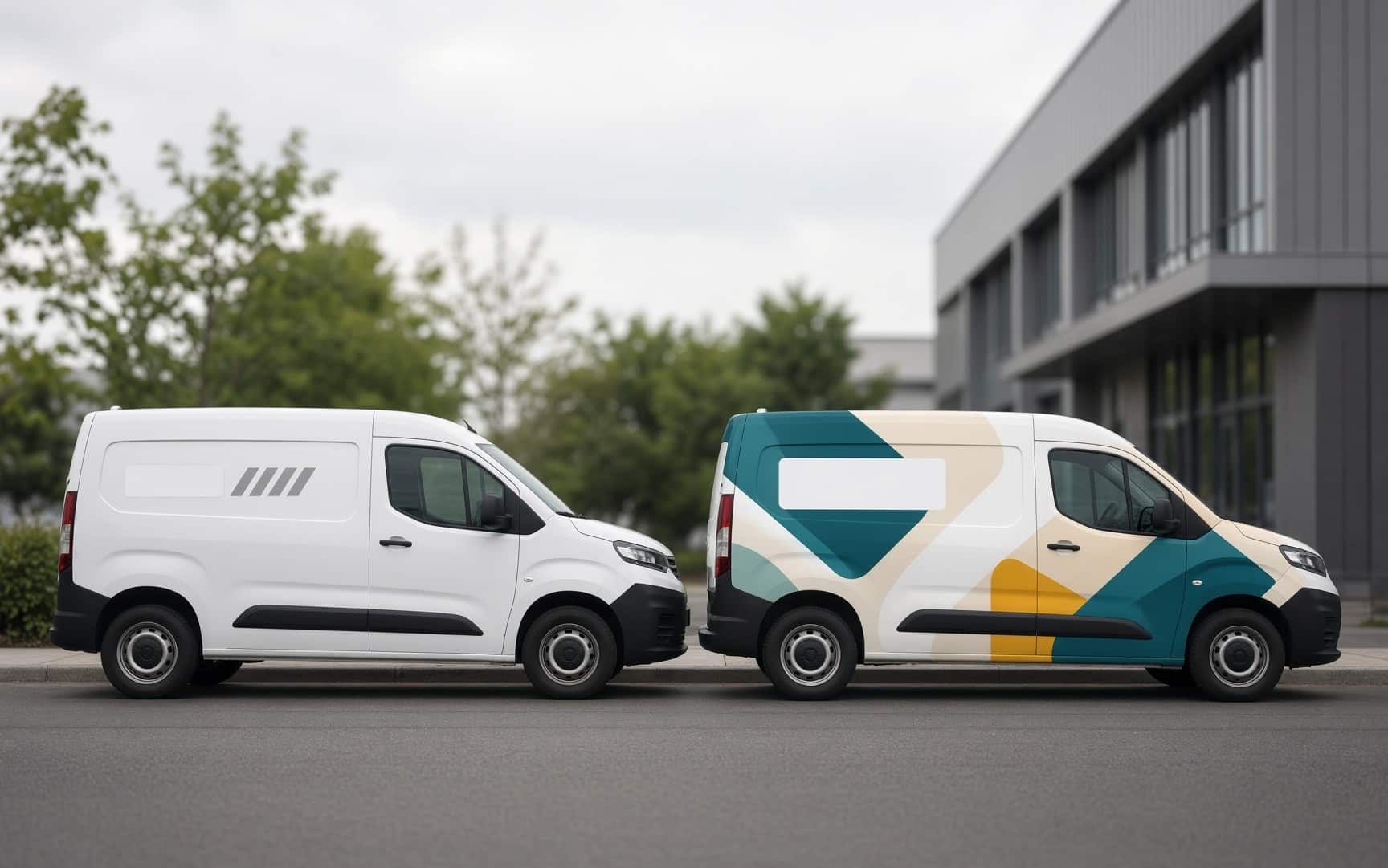
Vehicle wraps and decals do different jobs. The right pick depends on what your vehicle has to do. Choose decals when the vehicle only needs its name, phone number, and any required numbers. Choose a wrap when the vehicle works as marketing every day. Between decals and wraps is a middle option: partial wraps or spot graphics, which is the right answer for many buyers.
Four questions settle most decisions: how many vehicles you run, how often people see them, what you can spend, and how long you will keep each one. This guide walks through each, with real cost and lifespan ranges.
What Is the Difference Between a Wrap and Decals?
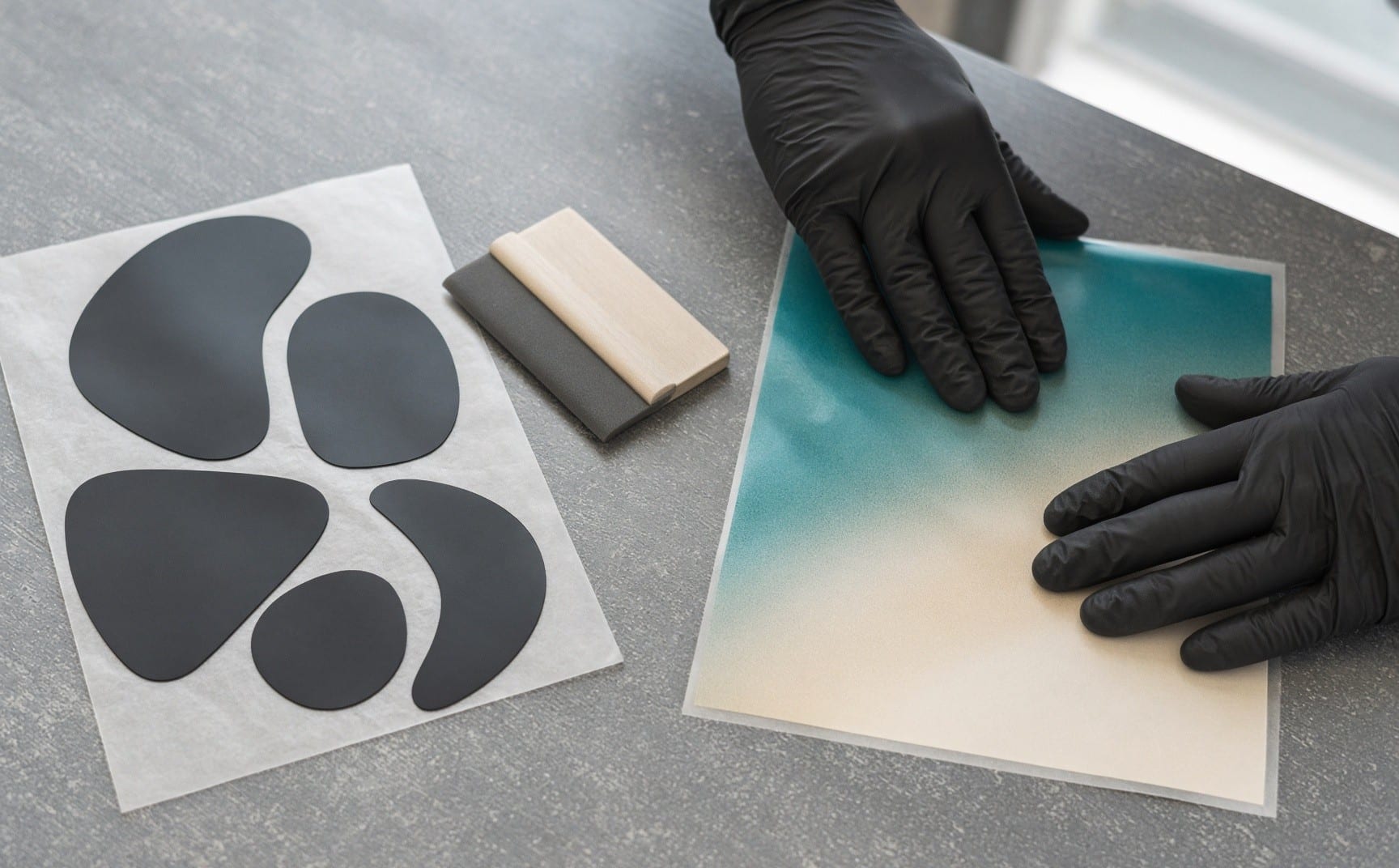
A wrap is printed film that covers large areas of a vehicle. Decals are smaller graphics placed on chosen spots. Three terms get used loosely, so here is how we use them.
Lettering is individual letters and numbers cut from solid-color vinyl. It carries a name, a phone number, or a required number.
Decals and spot graphics are logos or short messages placed on doors, tailgates, or windows.
A wrap covers whole panels or the entire vehicle with a printed design.
Auto decals and wraps both use adhesive vinyl and the same installation skills. The real difference is coverage and design freedom. Printed film carries full-color photos and gradients across a whole side. Cut lettering carries a clean, simple message.
When Are Decals Enough?
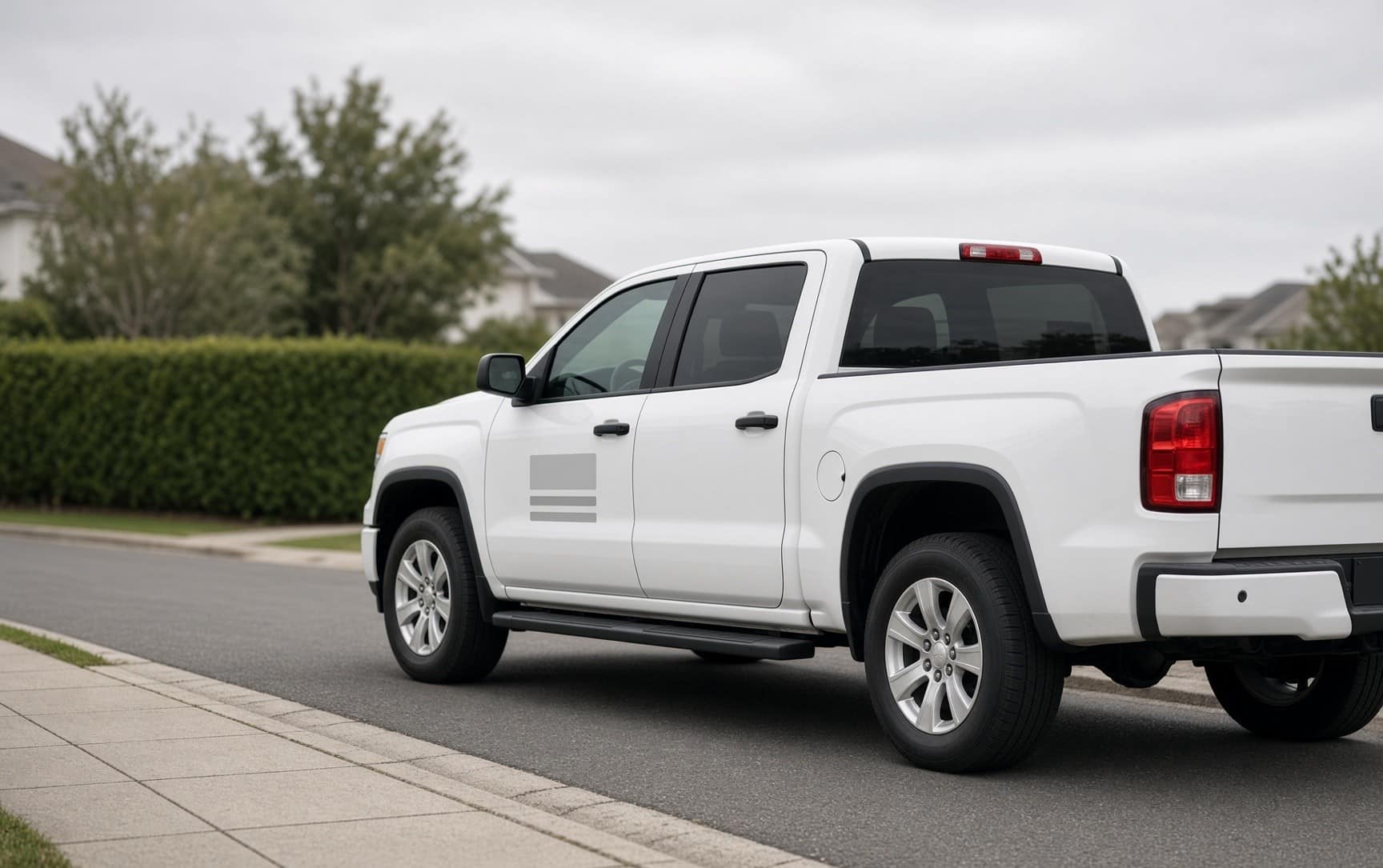
Decals are enough when the vehicle needs to identify the business and little more. Four situations fit.
Required numbers: A license number or USDOT number is a small, exact job that lettering handles well.
Support vehicles: A truck that rarely meets customers gains little from full coverage.
Tight budgets or short keeps: Lettering costs a fraction of a wrap, and a vehicle you plan to sell soon may never earn back a larger spend.
Simple messages: A name and a phone number need very little surface.
Truck lettering on a pickup costs far less than a wrap and does its job. Box truck decals follow the same logic when the cab and doors carry the name and number. The large flat sides of a box truck are different, because that space is where a wrap earns its cost. Our Box Truck Wraps guide covers it in detail.
Lettering is also the easiest graphic to update when a phone number or service changes.
When Does a Wrap Pay Off?
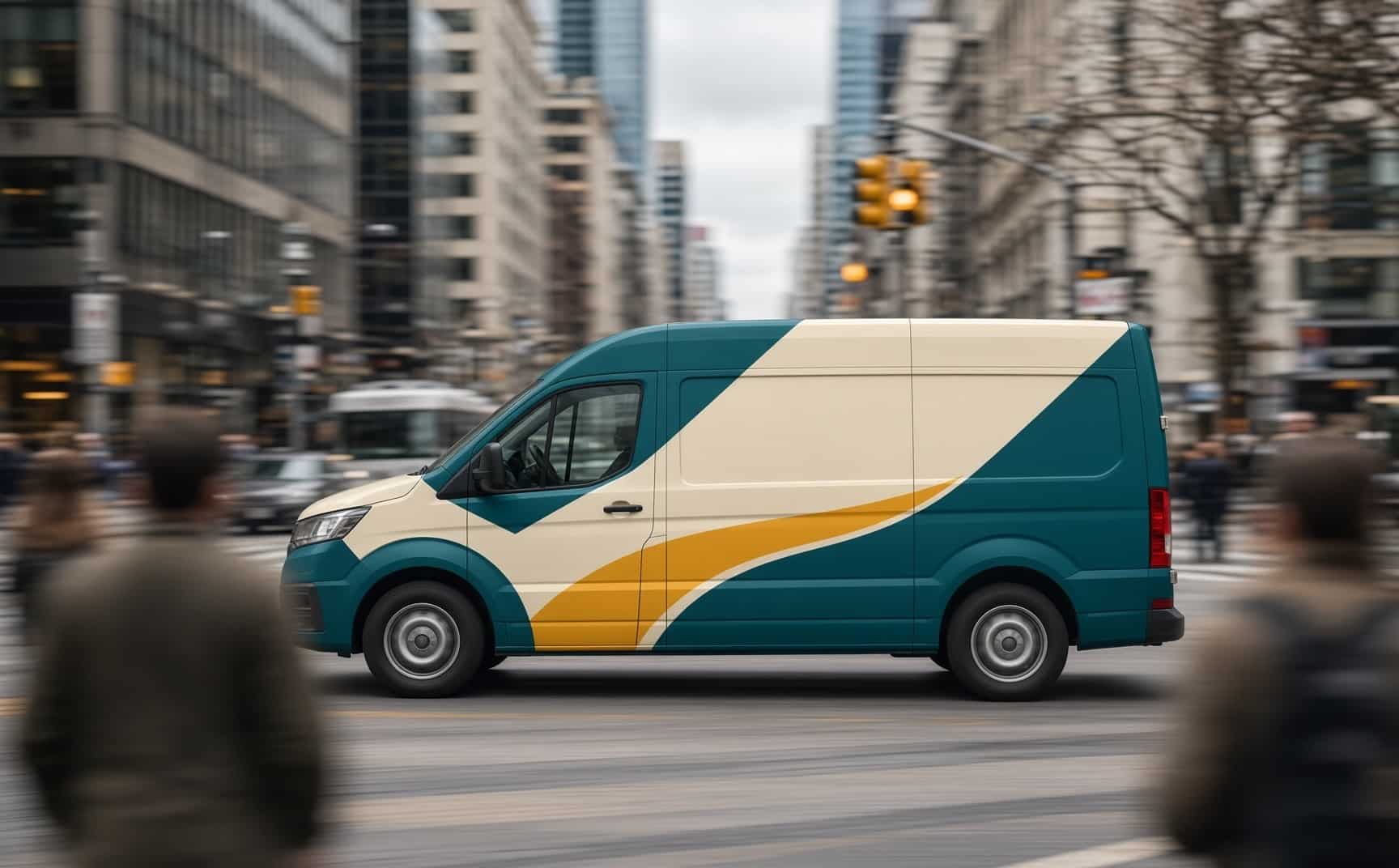
A wrap pays off on vehicles that stay in front of people for most of the day. Match the coverage to how and where the vehicle is seen.
Delivery and service vehicles on the road all day show their design to a steady stream of drivers and pedestrians. Vans and box trucks have large flat sides, and decals leave most of that surface empty. A wrap fills it with a full-color design that cut lettering cannot match.
A fleet wrap applies one master design to every vehicle, and ten trucks read as one company. A wrap also lasts for years, spreading its cost over its life.
Our Commercial Truck Wraps and Commercial Van Wraps pages show how we approach each vehicle type.
What Is the Middle Option?
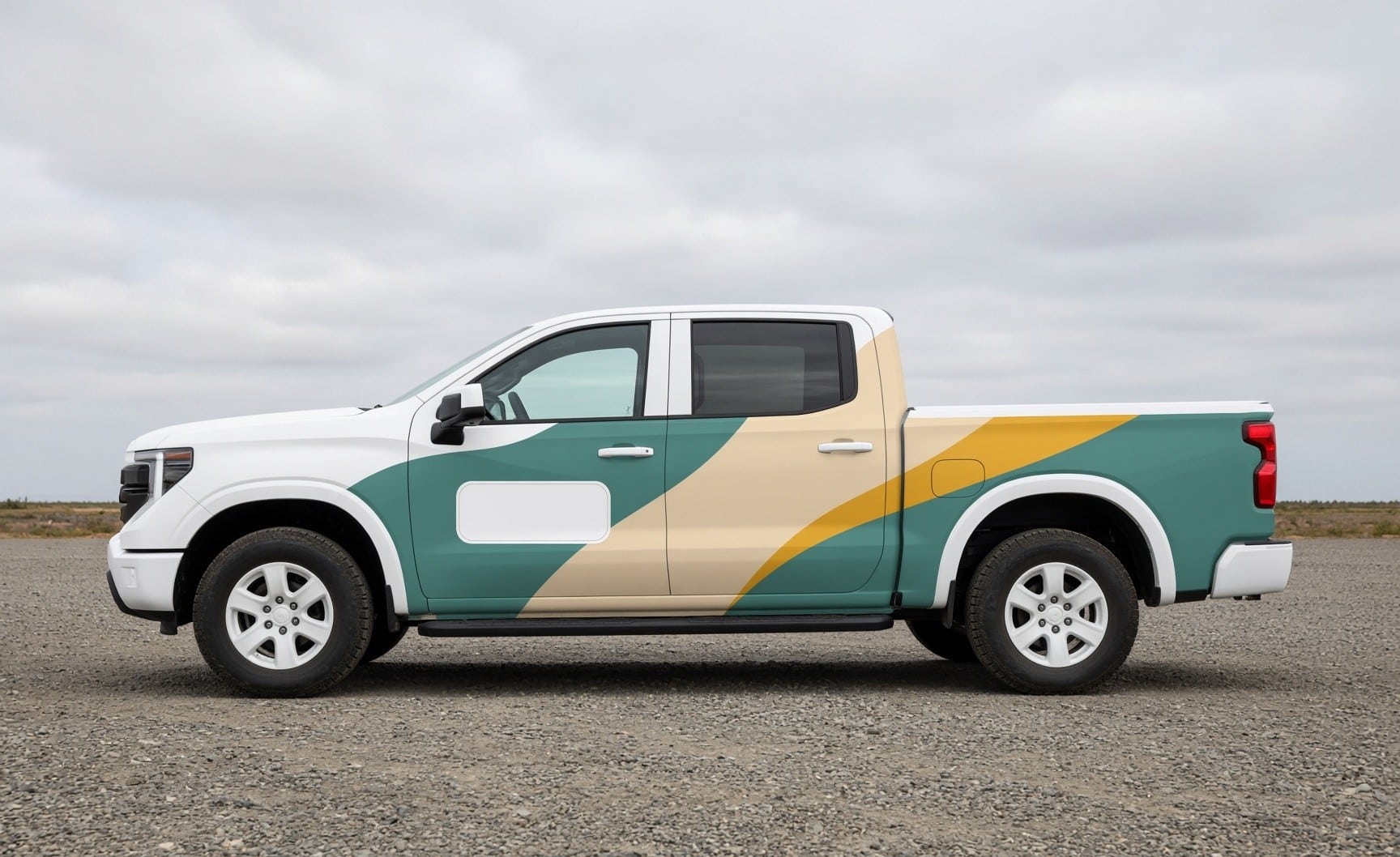
Partial wraps and spot graphics sit between lettering and a full wrap, and we quote both.
A partial wrap covers key panels, usually 40-70% of the vehicle. Spot graphics place the name, phone number, and license information where people read them. Both are quoted on your actual vehicle.
Our partial wraps start at $1,900, and full wraps cost more. A truck that mostly sits at job sites can do well with a partial wrap, because the sides people see from the curb carry the design.
Buyers stuck between lettering and a full wrap often land here.
Do Wraps and Decals Make Sense on Service Trucks?
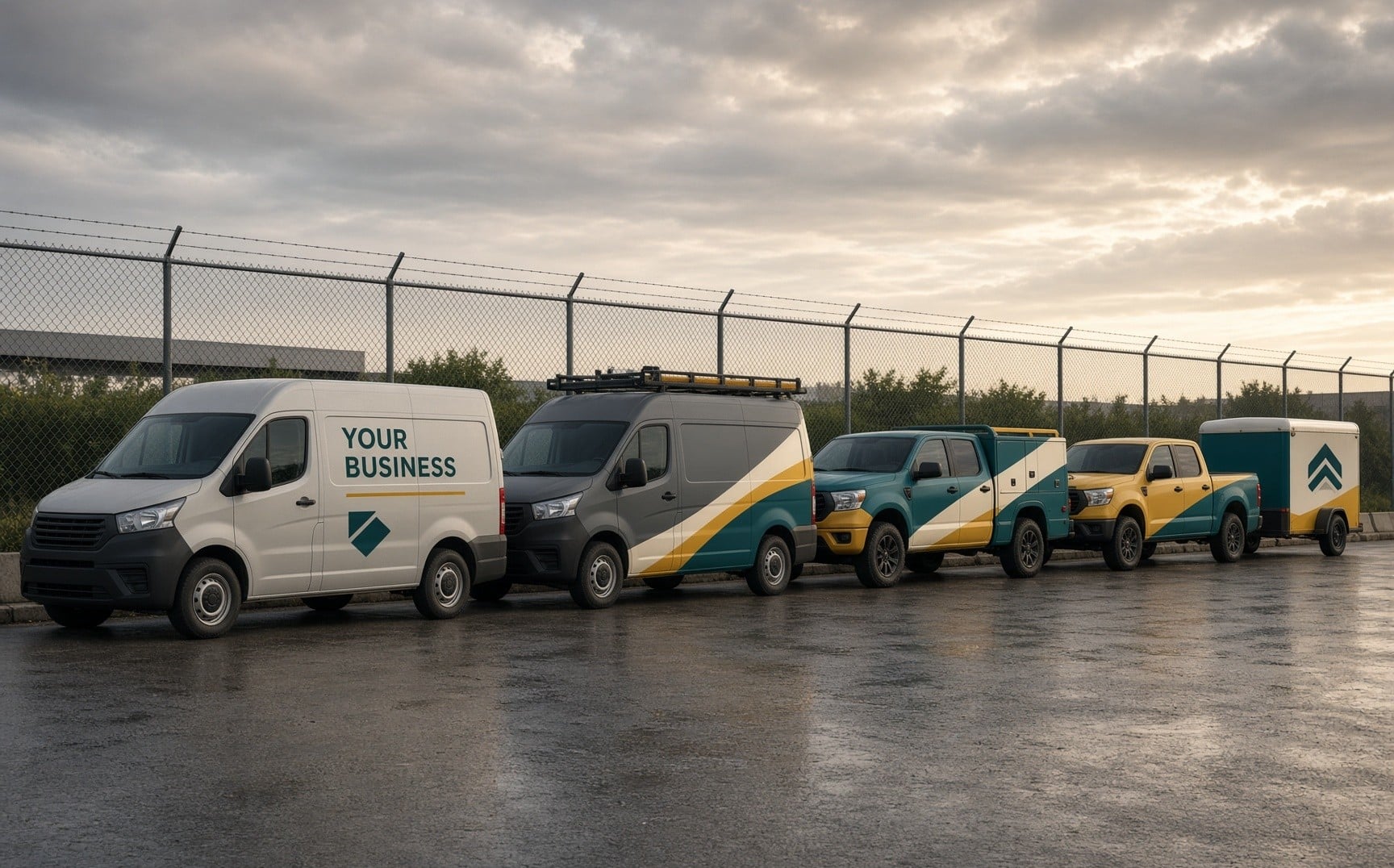
Yes. The right choice depends on how the truck is seen, moving or parked. Service trucks do both, and the answer varies by trade.
HVAC companies often buy several vans at a time, and a matching wrap gives the whole fleet a unified look. Our HVAC Van & Truck Wraps page covers all the information you need on that.
Plumbing trucks park at the curb during emergency calls, so the phone number has to be readable from the street. The Plumbing Van & Truck Wraps page goes deeper on placement.
Electrical trucks move between residential and commercial calls, and a clear name and number do most of the work. Electrician Van Wraps covers the details.
Construction trucks and trailers stay parked at a job for weeks, which turns every surface into a sign. Construction Truck Wraps explains that case.
Truck lettering can also include required numbers. Nevada requires licensed contractors to show their license number on commercial vehicles. Confirm the current rule with the Nevada State Contractors Board. Spot graphics suit a trade whose truck mostly sits, and a wrap suits one that is always in traffic.
How Do Cost and Lifespan Compare?
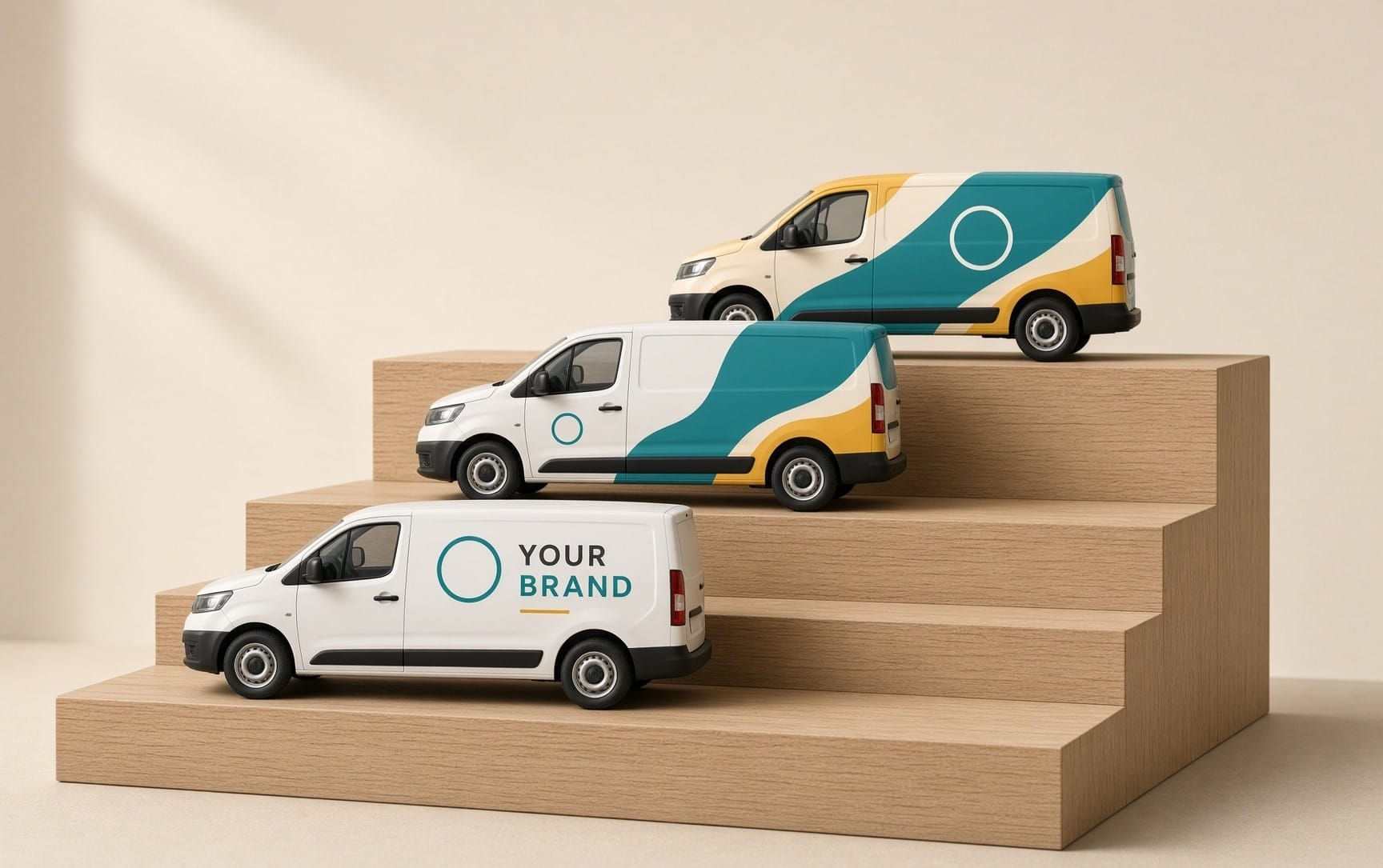
Lettering costs the least, a partial wrap sits in the middle, and a full wrap costs the most. Lifespan follows the film more than the format. The ranges below come from our cost guide as industry planning ranges. Your quote depends on your vehicle.
| Vehicle | Lettering and spot graphics | Partial wrap | Full wrap |
|---|---|---|---|
| Car or sedan | $300 to $800 | $1,000 to $2,000 | $2,000 to $4,500 |
| Cargo van | Under $1,000 | $1,500 to $3,500 | $3,000 to $5,500 |
| Pickup | Quoted per vehicle | $1,500 to $3,000 | $3,000 to $6,000 |
| Box truck | Quoted per vehicle | $1,500 to $3,000 | $5,000 to $10,000+ |
Cast vinyl typically lasts five to seven years. Calendered vinyl, a thinner, cheaper film, often lasts two to five years. That makes the film matter more than the label. A decal cut from cast film can outlast a wrap printed on calendered film. For a short-term keep, lettering on calendered film is a sensible lower-cost choice. For long-term lettering, cast film is the safer pick. When you compare vehicle decals and wraps, ask which film and laminate each quote uses.
Our own pricing: partial wraps start at $1,900, full wraps cost more, and fleets get up to 15% off. For the full breakdown by vehicle type, read How Much Does It Cost to Wrap a Vehicle? and How Long Does a Vehicle Wrap Actually Last?
How Does Each Hold Up Over Time?
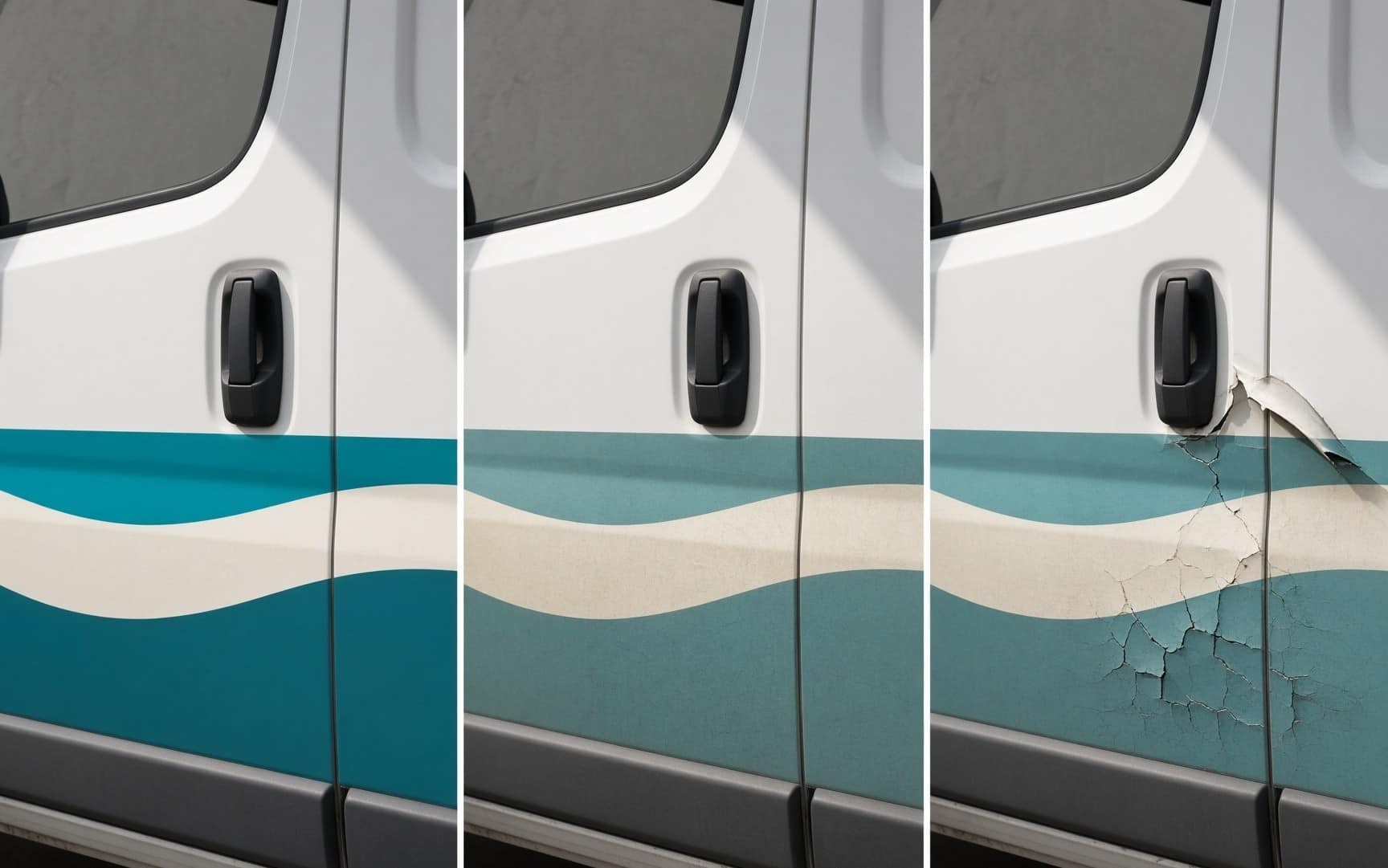
Both hold up when the film is right, and the installation is clean. Both fail early when either one is wrong.
Sun and heat fade color and dry out film. Edges lift and film cracks as it ages. Cast vinyl conforms to curves and resists shrinking and cracking. Calendered vinyl fades faster in high-UV conditions. Budget film can look the same as cast film on day one and start failing within a year or two. Installation decides how long edges stay down, so a rushed job on good film still fails early.
Care is the same for both. Hand-wash with mild soap, and skip pressure washers and automatic brushes. Wait about 48 hours after installation before driving or washing so the adhesive can settle. Wipe off bird droppings and tree sap within 24 to 48 hours.
Utah winters and Nevada summers stress both. Our Utah winter and Nevada summer wrap post covers the climate side. Every wrap we install carries a 5-year product warranty and a 1-year installation warranty.
How Do You Choose? A Quick Checklist
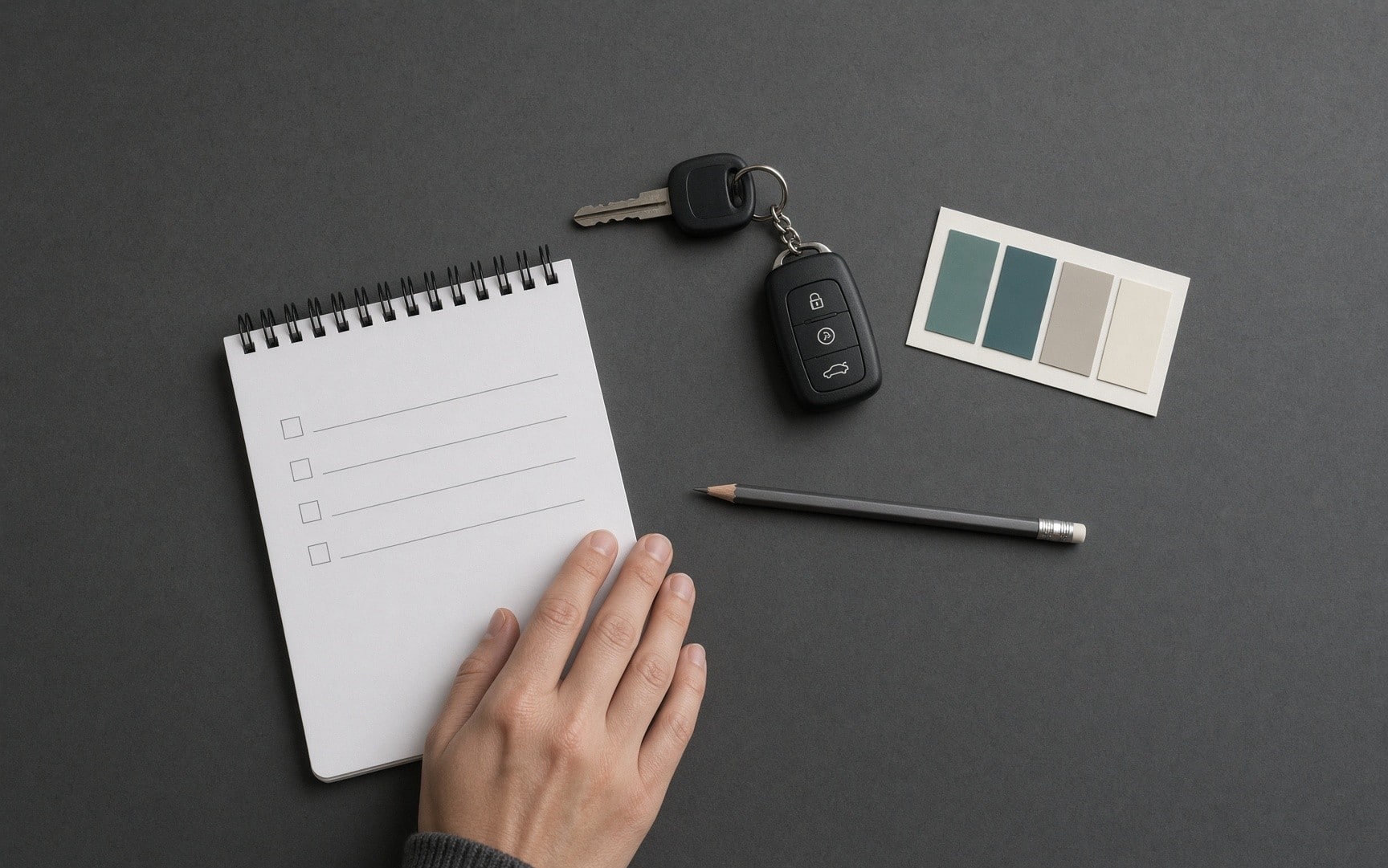
Four questions settle most decisions. Answer each one, then see which way your answers point.
- How many vehicles do you run?
One vehicle points to lettering or a partial wrap. Several vehicles point to wraps, since one design can match them all.
- How often do people see the vehicle?
A vehicle that rarely meets customers suits lettering. A vehicle in traffic all day suits a wrap.
- What is the budget?
Lettering costs the least, a partial wrap comes next, and a full wrap costs the most. Choose the coverage you can fund well.
- How long will you keep it?
A short keep suits lettering: five years or more suits a wrap, since the cost spreads over its life.
Mixed answers point to a partial wrap or spot graphics. Unsure how your answers add up? Tell us about the vehicle and how you use it, and we will recommend coverage in your quote.
Vehicle Wraps and Decals FAQs
Are decals cheaper than wraps?
Usually yes. Lettering and spot graphics are the lowest-cost tier, and a partial wrap sits above them. On a cargo van, pricing ranges put lettering under $1,000 and a full wrap at $3,000 to $5,500. Your price depends on the vehicle and the design.
How long do vehicle decals last compared with a wrap?
It depends on the film. Cast vinyl typically lasts five to seven years, and calendered vinyl often lasts two to five. A decal cut from cast film can match a wrap, and a wrap printed on calendered film can fall short. The material matters more than the format.
Can I start with decals and upgrade to a wrap later?
Yes. Old graphics come off before a wrap goes on, which adds time. Designing the lettering with a wrap in mind, using the same colors and logo placement, avoids rework later.
Do decals or wraps damage the paint?
Neither does on healthy paint when installed and removed correctly. Older, brittle film is harder to remove cleanly, so we replace graphics before they age out. Our post Does Wrapping a Vehicle Damage the Paint? covers what we check before every quote.
What commercial truck lettering is required?
Federal rules require the carrier's name and USDOT number on both sides of a commercial truck. The letters must contrast sharply with the background, be readable from 50 feet when the truck is stationary, and remain legible over time. The rule names no application method. It applies to interstate commercial vehicles, and state rules vary, so confirm what applies to you. Nevada contractors must also show a license number. We build required numbers into the layout.
Which is better for a fleet, wraps or decals?
Many fleets mix them. Wraps go on customer-facing vehicles, and decals go on support vehicles, all from one master design. There is no fleet minimum, and discounts go up to 15%. Commercial Fleet Wraps explains how we stage a fleet order.
Can I add lettering to a vehicle that is already wrapped?
Often yes, for small additions such as a new phone number, on a wrap in good condition. Inspect the wrap first, and a worn or lifting wrap is usually better replaced than patched.
The Bottom Line
Match the coverage to how the vehicle is used. Lettering identifies a business and carries required numbers at the lowest cost. A wrap turns a vehicle that stays in front of people into daily marketing and gives a fleet one look. A partial wrap or spot graphics sit between the two and often fit a truck that works at job sites.



